Architecture Portfolio Examples: What Makes a Great Portfolio?
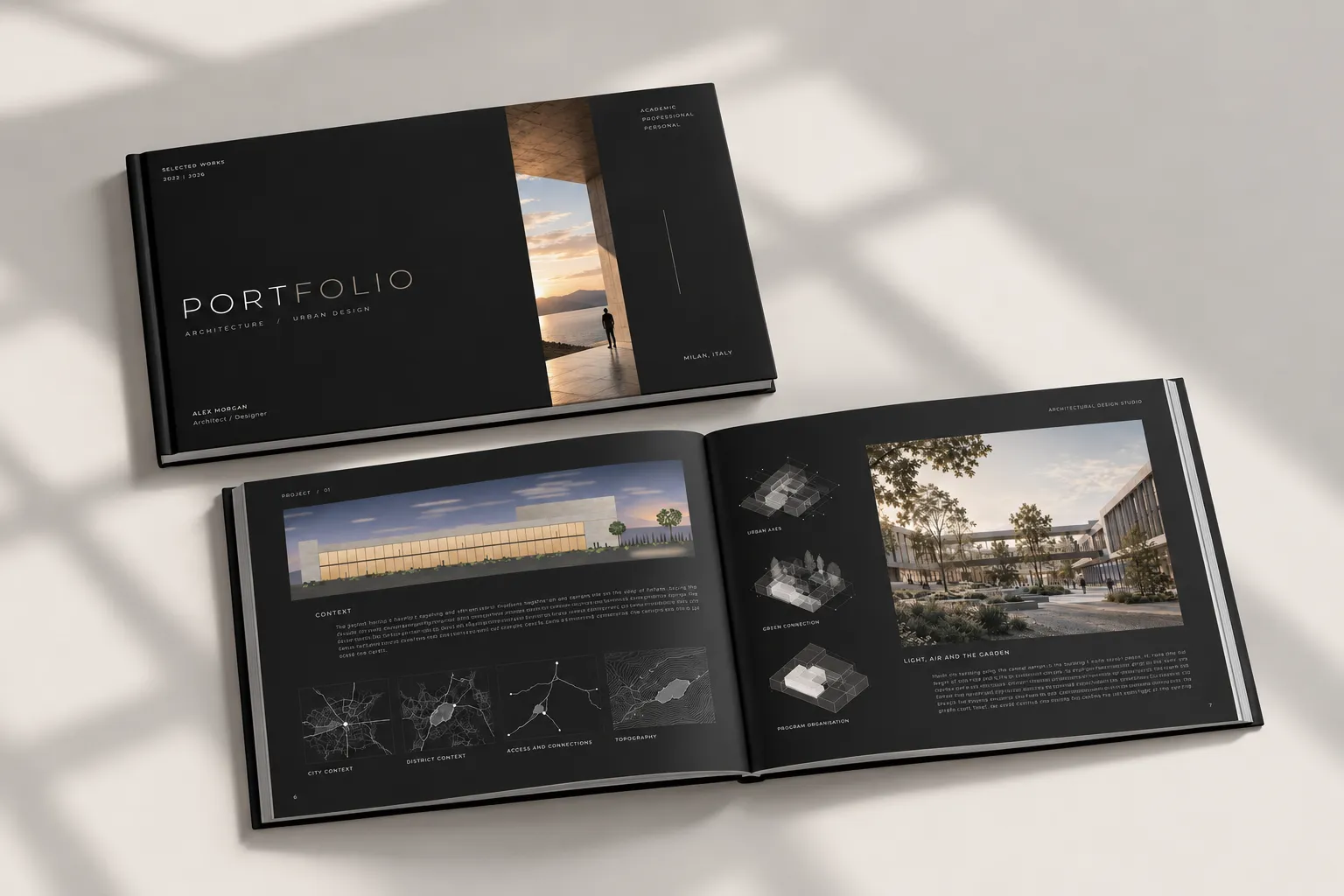
An architecture portfolio is more than a collection of drawings, renderings, and completed projects. It is a visual representation of your design thinking, creativity, and ability to communicate architectural ideas.
Whether you are an architecture student preparing for an internship or a professional applying for a new position, a well-designed portfolio can make a significant difference.
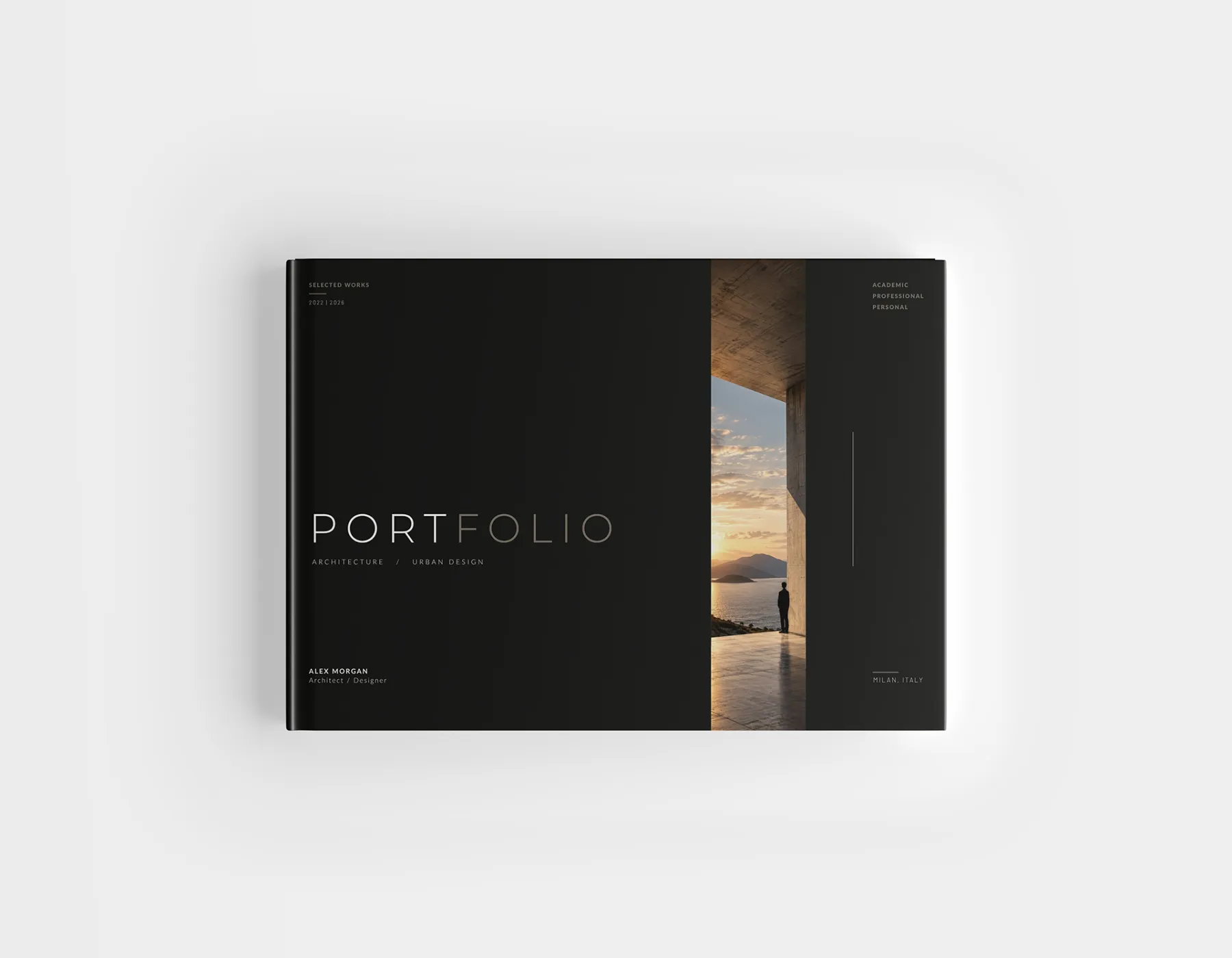
Exploring architecture portfolio examples is a useful way to understand what makes an effective presentation. The strongest portfolios are not necessarily the most elaborate. They combine carefully selected projects, clear layouts, and a consistent visual identity.
In this guide, we explore the essential principles behind successful architectural portfolios and how to apply them to your own work.
1. What Makes a Good Architecture Portfolio?
A successful architecture portfolio should communicate your abilities clearly while maintaining a professional visual appearance.
When reviewing architectural design portfolio examples, several characteristics consistently stand out:
- Clear visual hierarchy: Important drawings, project titles, and key information are easy to identify.
- Consistent layouts: Typography, margins, spacing, and graphic elements follow a recognizable system.
- Thoughtful project selection: Each project demonstrates a different aspect of your architectural abilities.
- Effective visual communication: Plans, sections, diagrams, and renderings explain the design rather than simply decorate the page.
- Logical storytelling: Projects are organized to communicate the design process and final architectural outcome.
A good portfolio allows readers to understand both what you designed and how you approached the design process.
2. Architecture Portfolio Layout: Keep It Simple
The layout is one of the most important elements of an architectural portfolio. Even excellent projects can lose their impact when presented through cluttered or inconsistent pages.
Use a Consistent Grid
A grid system helps organize drawings, images, and text while maintaining alignment across pages.
For example, a two-column layout may work well for project descriptions and diagrams, while a full-page drawing can emphasize an important architectural element.
The goal is not to make every page identical, but to establish a consistent visual structure.
Use White Space Effectively
White space is not wasted space. It improves readability, separates information, and allows architectural drawings to stand out.
Avoid filling every available area with images or text. A carefully composed page with fewer elements often communicates more effectively.
Establish Visual Hierarchy
Project titles, architectural drawings, captions, and descriptions should have clearly defined roles.
Use larger images for key design ideas and smaller diagrams for supporting information. Keep typography consistent and avoid unnecessary decorative elements.
A clean architecture portfolio layout helps readers focus on the architecture itself.
3. Choosing the Right Projects
A common mistake is trying to include every completed project.
Instead, focus on selecting work that demonstrates different skills and design approaches.
For example, a balanced architecture portfolio might include:
- A residential project demonstrating functional planning and spatial organization.
- A public or commercial building highlighting complex architectural relationships.
- A conceptual project showing creativity and design exploration.
- A technically developed project demonstrating architectural drawing skills.
Each project should contribute something different to the overall presentation.
For architecture students, academic projects and conceptual studies can effectively demonstrate design thinking. Professional portfolios may place greater emphasis on technical development, practical experience, and completed work.
Regardless of your experience level, prioritize quality over quantity.
4. How to Present an Architectural Project
One of the most valuable lessons from strong architecture portfolio examples is the importance of visual storytelling.
A project should not appear as a random collection of drawings. Instead, organize the presentation so readers can follow the development of the architectural idea.
A clear project presentation generally includes four stages:
Project Introduction: Present the building type, design objective, and relevant context. A strong introductory image can establish the project's identity.
Concept Development: Explain the central design idea through sketches, diagrams, or a concise written description.
Architectural Drawings: Include floor plans, sections, elevations, or other drawings that communicate the project's spatial and technical characteristics.
Final Design: Conclude with visualizations or key drawings that demonstrate the developed architectural solution.
Not every project requires the same number of pages. A simple residential design may need fewer pages than a complex public building.
The most important consideration is ensuring that every drawing serves a clear purpose.
5. Architecture Student vs. Professional Portfolio
Although the basic design principles are similar, an architecture student portfolio and a professional portfolio often emphasize different qualities.
Student portfolios generally focus on creativity, conceptual exploration, and the development of architectural ideas. Sketches, diagrams, models, and academic projects can demonstrate how a student approaches design challenges.
Professional portfolios typically emphasize practical experience, technical competence, and project responsibilities. Construction drawings, developed designs, and completed projects may be particularly relevant.
If you include collaborative work, clearly identify your individual contribution.
In both cases, the portfolio should be adapted to its intended audience. An application for an architecture internship may require a different selection of projects than an application for a technical architectural position.
6. Common Architecture Portfolio Mistakes
Even well-developed architectural projects can appear less effective when presented poorly.
Avoid these common mistakes:
- Overcrowded pages: Too many drawings and descriptions make information difficult to follow.
- Inconsistent typography: Frequent changes in font styles and sizes weaken visual consistency.
- Unreadable drawings: Plans and sections should remain legible at the intended viewing size.
- Excessive project descriptions: Keep explanations concise and allow drawings to communicate the design.
- Repetitive projects: Select projects that demonstrate a variety of architectural skills.
- Poor PDF quality: Check image resolution, page order, file size, and readability before sharing your portfolio.
Addressing these details can make a substantial difference in the overall quality of your presentation.
7. Creating Your Own Architecture Portfolio
Before designing individual pages, establish a clear graphic system. Choose your document format, margins, typography, grid structure, and general visual identity.
Next, select your strongest projects and identify the drawings that best communicate each design.
A carefully structured template can help maintain consistency and simplify the layout process, especially when presenting multiple projects.
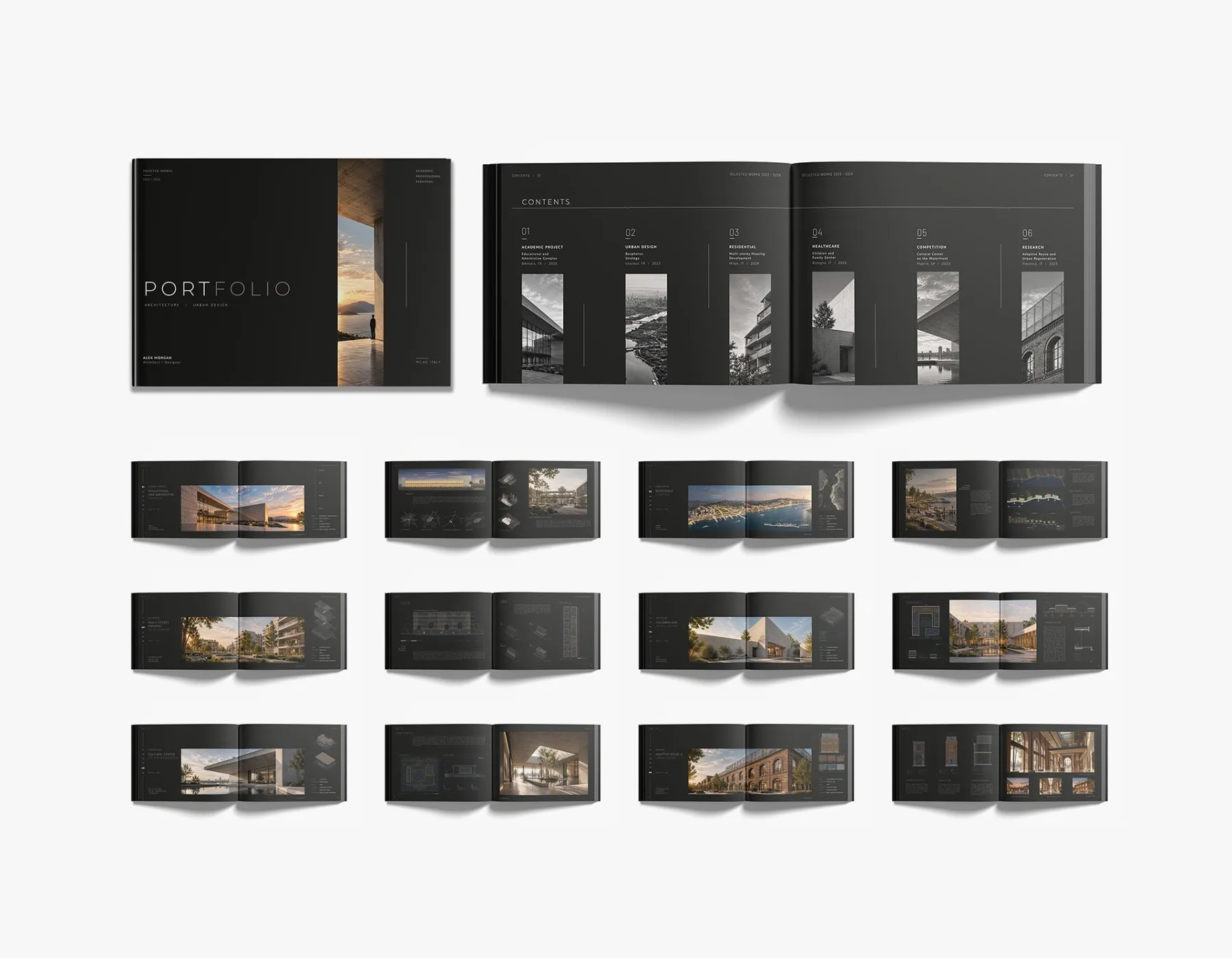
For those looking for a starting point, Archeism's Chiaroscuro Architecture Portfolio Template provides a design resource for organizing architectural work into a cohesive presentation.
Remember that a template should support your projects, not overshadow them. Your architectural ideas should always remain the focus.
Conclusion
The best architecture portfolio examples demonstrate that effective presentation depends on more than attractive graphics.
Strong portfolios combine thoughtful project selection, consistent layouts, clear architectural drawings, and logical storytelling.
Whether you are preparing your first student portfolio or updating a professional one, focus on communicating your design abilities with clarity and purpose.
A successful architecture portfolio does not simply show what you have created. It helps readers understand how you think as a designer.